
Basal Cell Carcinoma and the Aging Process: Why Older Adults Are More at Risk
- posted: Nov. 14, 2024
Dr. Brian Dubow sees patients daily at his practice, Dr. Dubow Dermatology, in Beverly Hills, CA. Dr. Dubow is triple board-certified in dermatology, MOHS micrographic surgery, and dermatopathology. He is here today to discuss how the aging process relates to basal cell carcinoma.
Why Older Adults Are More at Risk for Basal Cell Carcinoma as They Age
Basal cell carcinoma is the most common type of skin cancer, representing at least 80% of detected skin cancers. Fortunately, it is one of the easiest cancers to treat when identified early.
At Dr. Dubow Dermatology in Beverly Hills, CA, we explain that basal cell carcinoma often develops when the skin’s outer layer (epidermis) becomes damaged, usually from prolonged sun exposure. While it is rarely malignant, it can spread deeper into the skin, muscles, and bones, causing complications if untreated.
Dermatologists are seeing a rise in basal cell carcinoma cases, particularly among older adults, likely due to increased longevity. Although this cancer can occur at any age, it is more prevalent among seniors.
Risk Factors for Developing Basal Cell Carcinoma
- Aging
- Overexposure to ultraviolet rays (natural and artificial)
- Genetics
- Fair or light skin
- Extensive sun exposure
- History of sunburns
- Cumulative skin damage over the years
Symptoms
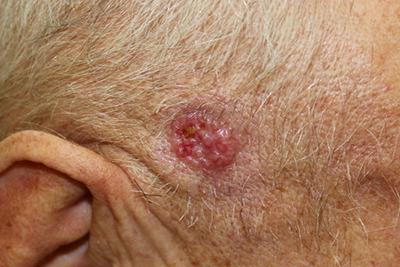
Monitor a persistent spot on your skin—especially on areas like the head, neck, chest, arms, or legs—closely. Basal cell carcinoma may appear as a sore, red spot, shiny bump, pink growth, small scar, or conditions like psoriasis or eczema. Such areas may bleed, scab, heal, and recur. Suspicious spots should be evaluated with a skin biopsy, as only a microscopic examination can confirm a diagnosis.
Treatment Options
Our doctor may recommend treatments tailored to older patients' specific needs. Options include surgical excision, scraping and burning, MOHS surgery, among others.
Scheduling an annual skin cancer screening allows us to monitor your skin comprehensively. This yearly check can provide peace of mind and catch any early signs of cancer.
Make Your Skin Cancer Checkup Appointment Today!
Call Dr. Dubow at Dr. Dubow Dermatology in Beverly Hills, CA, at 310-888-4070. Whether you see a suspicious spot, a yearly skin exam can help catch precancerous or cancerous areas early, making treatment straightforward and effective.
- posted: Nov. 14, 2024
Dr. Brian Dubow sees patients daily at his practice, Dr. Dubow Dermatology, in Beverly Hills, CA. Dr. Dubow is triple board-certified in dermatology, MOHS micrographic surgery, and dermatopathology. He is here today to discuss how the aging process relates to basal cell carcinoma.
Why Older Adults Are More at Risk for Basal Cell Carcinoma as They Age
Basal cell carcinoma is the most common type of skin cancer, representing at least 80% of detected skin cancers. Fortunately, it is one of the easiest cancers to treat when identified early.
At Dr. Dubow Dermatology in Beverly Hills, CA, we explain that basal cell carcinoma often develops when the skin’s outer layer (epidermis) becomes damaged, usually from prolonged sun exposure. While it is rarely malignant, it can spread deeper into the skin, muscles, and bones, causing complications if untreated.
Dermatologists are seeing a rise in basal cell carcinoma cases, particularly among older adults, likely due to increased longevity. Although this cancer can occur at any age, it is more prevalent among seniors.
Risk Factors for Developing Basal Cell Carcinoma
- Aging
- Overexposure to ultraviolet rays (natural and artificial)
- Genetics
- Fair or light skin
- Extensive sun exposure
- History of sunburns
- Cumulative skin damage over the years
Symptoms
Monitor a persistent spot on your skin—especially on areas like the head, neck, chest, arms, or legs—closely. Basal cell carcinoma may appear as a sore, red spot, shiny bump, pink growth, small scar, or conditions like psoriasis or eczema. Such areas may bleed, scab, heal, and recur. Suspicious spots should be evaluated with a skin biopsy, as only a microscopic examination can confirm a diagnosis.
Treatment Options
Our doctor may recommend treatments tailored to older patients' specific needs. Options include surgical excision, scraping and burning, MOHS surgery, among others.
Scheduling an annual skin cancer screening allows us to monitor your skin comprehensively. This yearly check can provide peace of mind and catch any early signs of cancer.
Make Your Skin Cancer Checkup Appointment Today!
Call Dr. Dubow at Dr. Dubow Dermatology in Beverly Hills, CA, at 310-888-4070. Whether you see a suspicious spot, a yearly skin exam can help catch precancerous or cancerous areas early, making treatment straightforward and effective.
Contact Us
Monday
7:45 am - 4:30 pm
Tuesday
7:45 am - 4:30 pm
Wednesday
7:45 am - 4:30 pm
Thursday
7:45 am - 4:30 pm
Friday
7:45 am - 4:00 pm
Closed for Lunch (12pm-12:45pm)
Saturday
Closed
Sunday
Closed