
Mole Removal: When Is It Necessary and How Is It Done?
- posted: Nov. 27, 2024
Mole Removal: When Is It Necessary and How Does It Relate to Skin Cancer Awareness?
Moles are common skin features, typically appearing as small brown spots, and are generally harmless. However, they can sometimes signal underlying issues, such as skin cancer. Understanding when mole removal is necessary and staying proactive about skin health are critical steps toward prevention. You can learn more about moles and skin cancer awareness by contacting Dr. Brian Dubow at Dr. Dubow Dermatology in Beverly Hills, CA.
When Is Mole Removal Necessary?
Although most moles are benign, certain changes may indicate the need for evaluation and removal. Dr. Dubow emphasizes the importance of monitoring moles for warning signs, often referred to as the ABCDEs of melanoma:
- Asymmetry: One half of the mole doesn't match the other.
- Borders: Edges that are irregular, notched, or blurred.
- Color: Uneven shades of brown, black, or other colors.
- Diameter: Larger than 6 mm (about the size of a pencil eraser).
- Evolving: Changes in size, shape, or color over time.
Mole removal may be necessary if a mole exhibits any of these characteristics or becomes irritated or prone to injury due to its location. Regular skin exams with your dermatologist can help detect problematic moles early, reducing the risk of skin cancer progression.
The Role of Skin Cancer Awareness in Mole Monitoring
Skin cancer, including melanoma, can develop from atypical moles or arise in areas without pre-existing moles. Raising awareness about prevention is essential:
- Perform Monthly Skin Self-Checks: Look for new or changing moles or spots and keep a record of their appearance.
- Use Sun Protection: Apply broad-spectrum sunscreen daily and wear protective clothing to reduce UV exposure.
- Schedule Annual Dermatology Visits: Professional skin exams allow for early detection of suspicious moles or lesions.
How Is Mole Removal Done?
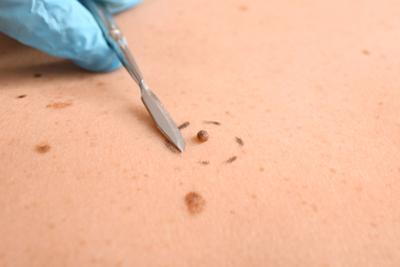
Mole removal is a straightforward, in-office procedure. Dr. Dubow will assess the mole to determine the most appropriate removal technique. Local anesthesia is typically used to ensure comfort during the procedure. Once removed, the mole is often sent for a biopsy to confirm whether it is benign or requires further treatment.
Following mole removal, there is minimal downtime, allowing you to resume daily activities quickly. This simple yet effective procedure is important for skin cancer prevention and early detection.
Mole Removal and Skin Cancer Prevention in Beverly Hills, CA
If you’re concerned about a mole, consult a dermatologist. Dr. Brian Dubow can provide expert evaluation, guide you through mole removal if necessary, and help you take proactive steps toward skin cancer prevention.
For more information or to schedule an appointment, contact Dr. Dubow Dermatology in Beverly Hills, CA, at (310) 888-4070. Prioritize your skin health and stay vigilant about skin cancer awareness.
- posted: Nov. 27, 2024
Mole Removal: When Is It Necessary and How Does It Relate to Skin Cancer Awareness?
Moles are common skin features, typically appearing as small brown spots, and are generally harmless. However, they can sometimes signal underlying issues, such as skin cancer. Understanding when mole removal is necessary and staying proactive about skin health are critical steps toward prevention. You can learn more about moles and skin cancer awareness by contacting Dr. Brian Dubow at Dr. Dubow Dermatology in Beverly Hills, CA.
When Is Mole Removal Necessary?
Although most moles are benign, certain changes may indicate the need for evaluation and removal. Dr. Dubow emphasizes the importance of monitoring moles for warning signs, often referred to as the ABCDEs of melanoma:
- Asymmetry: One half of the mole doesn't match the other.
- Borders: Edges that are irregular, notched, or blurred.
- Color: Uneven shades of brown, black, or other colors.
- Diameter: Larger than 6 mm (about the size of a pencil eraser).
- Evolving: Changes in size, shape, or color over time.
Mole removal may be necessary if a mole exhibits any of these characteristics or becomes irritated or prone to injury due to its location. Regular skin exams with your dermatologist can help detect problematic moles early, reducing the risk of skin cancer progression.
The Role of Skin Cancer Awareness in Mole Monitoring
Skin cancer, including melanoma, can develop from atypical moles or arise in areas without pre-existing moles. Raising awareness about prevention is essential:
- Perform Monthly Skin Self-Checks: Look for new or changing moles or spots and keep a record of their appearance.
- Use Sun Protection: Apply broad-spectrum sunscreen daily and wear protective clothing to reduce UV exposure.
- Schedule Annual Dermatology Visits: Professional skin exams allow for early detection of suspicious moles or lesions.
How Is Mole Removal Done?
Mole removal is a straightforward, in-office procedure. Dr. Dubow will assess the mole to determine the most appropriate removal technique. Local anesthesia is typically used to ensure comfort during the procedure. Once removed, the mole is often sent for a biopsy to confirm whether it is benign or requires further treatment.
Following mole removal, there is minimal downtime, allowing you to resume daily activities quickly. This simple yet effective procedure is important for skin cancer prevention and early detection.
Mole Removal and Skin Cancer Prevention in Beverly Hills, CA
If you’re concerned about a mole, consult a dermatologist. Dr. Brian Dubow can provide expert evaluation, guide you through mole removal if necessary, and help you take proactive steps toward skin cancer prevention.
For more information or to schedule an appointment, contact Dr. Dubow Dermatology in Beverly Hills, CA, at (310) 888-4070. Prioritize your skin health and stay vigilant about skin cancer awareness.
Contact Us
Monday
7:45 am - 4:30 pm
Tuesday
7:45 am - 4:30 pm
Wednesday
7:45 am - 4:30 pm
Thursday
7:45 am - 4:30 pm
Friday
7:45 am - 4:00 pm
Closed for Lunch (12pm-12:45pm)
Saturday
Closed
Sunday
Closed